
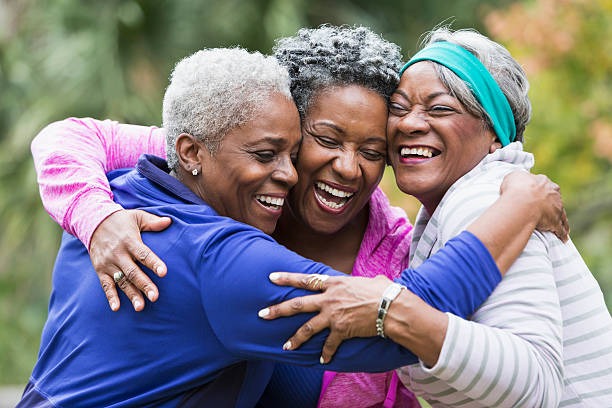
Somewhere between adulthood, career stress, and endless group chats you barely keep up with, there is a constant anchor that keeps a woman’s mental health intact—friendship. There is one of your girls who always knows the timely meme to send, or that friend who calls out your bad decisions with love. Friendship circles do more than make life fun; they keep you sane.
In a world where women juggle so much, those close-knit circles are more than social comfort. They’re emotional lifelines. Behind many women’s strength lies a circle of sisterhood who’ve laughed, cried, and healed with them through it all. The late-night conversations or casual brunches do more than comfort; they sustain women’s mental health.

How Women Connect Differently
It turns out that female friendships aren’t just vibes; they’re biology. Studies show that when women connect emotionally, the brain releases oxytocin, the “love hormone” responsible for emotions like attraction, love, and bonding.
That’s why a heart-to-heart after a bad day can be therapeutic. Women are wired to connect through shared emotions, not just activities. And little moments like a listening ear, a shared laugh, or a phone catch-up have the power to reset your mental and emotional state.
Friendship Circles and Mental Health
To be honest, time out with your girls can feel like therapy. The group chat where you rant about your day and the brunch where everyone turns into motivational speakers are healing moments disguised as hangouts.
Friendship circles give women a space to be real, offering a safe zone and soft landing for when life gets overwhelming. Because when women talk, they don’t just exchange words; they exchange energy, empathy, and perspective.
The Real Connection
It has been proven over time that women who maintain strong friendships tend to have lower stress and anxiety levels. This means that when life happens, you have a trusted circle where you can share your burden and be understood, not judged. It is relieving knowing there is someone in your corner ready to listen when you need to get things off your chest.
Good friends boost self-esteem, support you, and help you find balance again. They hold up mirrors that reflect not just your flaws but also your beauty, growth, and potential. And when the burden starts to feel too heavy, your circle lends a helping hand until you can stand again.
When the Circle Hurts

Of course, not every friendship is healthy for the soul. Some drain it. Toxic friendships can mess with your mental health just as much as toxic relationships. Imagine having a group of jealous friends who enjoy making you the topic of their gossip.
If a conversation with a friend or a hangout constantly leaves you feeling small, unseen, or emotionally tired, that’s a red flag. Friendships should uplift, not exhaust. Take a step back, set boundaries, or walk away if you feel the need to. Protecting your mental health doesn’t make you mean; it makes you wise.
How to Nurture Friendships
Healthy friendships don’t just happen; they’re built. Here’s how to nurture yours:
- Be your authentic self. When you are genuine, people will appreciate you for you.
- Be intentional about the friends you make. Choose friends who celebrate you, not compete with you in an unhealthy way.
- Have honest communication with people you call friends, including awkward conversations. Don’t bottle things up or hold grudges.
- Respect boundaries. Setting boundaries doesn’t mean you are disinterested; it often means balance.
- Celebrate your wins, whether big or small. A genuine “I’m proud of you” goes a long way.
- Learn to show up for your friends. The smallest gestures—a check-in text, a coffee hangout—go a long way.
Healthy relationships are a two-way street. A one-sided relationship can feel parasitic and unfulfilling.
African Sisterhood
Across Africa, sisterhood has always been part of our culture. From market women to prayer groups, women have long created spaces to share strength, humor, and wisdom.
These bonds show up everywhere, from ceremonies to community support during tough times. From fellowship group to “besties” WhatsApp chat, these connections are beneficial for mental health, reminding us that healing is communal. When women support one another, entire communities thrive. That’s the power of sisterhood, and it’s been holding us down for generations.
The Heart of Sister
Adulthood can be chaotic, amidst work deadlines, family responsibility, and the pressure to keep it together. However, friendship circles are where women exhale. They are safe spaces to breathe, have honest conversations, and be your unapologetic self.
Eventually, life gets busy, and it becomes easy for those connections to fade. Everyone is dealing with one thing or another, and before you know it, days become months, and months slip into years quietly. But here’s your gentle reminder to pause and reach out. Send that message. Plan that outing. Check on the friend who’s been quiet. Small gestures keep relationships alive.
Because friendship isn’t just a luxury, it’s emotional and mental health maintenance. And sometimes, your girls are the therapy you didn’t know you needed.