- Hair steaming helps improve moisture absorption by allowing water and treatments to penetrate the hair shaft more effectively.
- Steaming works best when done occasionally; overdoing it can weaken hair rather than improve it.
- Not all hair types benefit from steaming in the same way, making technique and balance essential.
- You can safely steam your hair at home with simple tools when done correctly and mindfully.
Hair steaming has quietly become one of the most talked-about hair care practices, especially among women with natural, textured, relaxed, or even damaged hair. It is often praised as a miracle step that transforms dry, brittle hair into something softer, shinier, and more manageable. But does it actually work, or is it just another beauty trend?
READ: How To Handle Stubborn Hair That Refuses To Cooperate
The short answer is yes, hair steaming works. But not in the way many people assume, and not for everyone in the same way.
What Is Hair Steaming?
Hair steaming is a hair care method that uses warm steam to introduce moisture into the hair shaft. The heat from the steam gently lifts the hair cuticle, allowing water and conditioning products to penetrate more deeply into the strand instead of sitting on the surface.
Unlike direct heat tools, steaming relies on moist heat rather than dry heat. This makes it less harsh when done correctly and more focused on hydration than styling. It’s often paired with deep conditioners, hair masks, or moisturizing treatments to maximize absorption.
Hair steaming has existed for decades, particularly in natural hair and textured hair communities, long before it became a mainstream trend.
How Often Should You Do Hair Steaming?
One of the biggest misconceptions about hair steaming is that it should be done frequently. In reality, hair steaming works best when used sparingly.
For most people, steaming once or twice a month is enough. Hair needs time to rebalance itself, and over-steaming can actually weaken strands by keeping them in a constantly swollen state. This can lead to breakage, excessive softness, or moisture overload, especially if protein balance is ignored.
If your hair is extremely dry or struggles to retain moisture, occasional steaming can be helpful—but it should never replace regular conditioning or proper hair care. Steaming is a supplement, not a one-time solution to unattended hair.
Pay attention to how your hair responds. If it feels mushy, overly soft, or weaker after steaming, that’s a sign you’re doing it too often or need to rebalance with strengthening treatments.
Hair Type Consideration
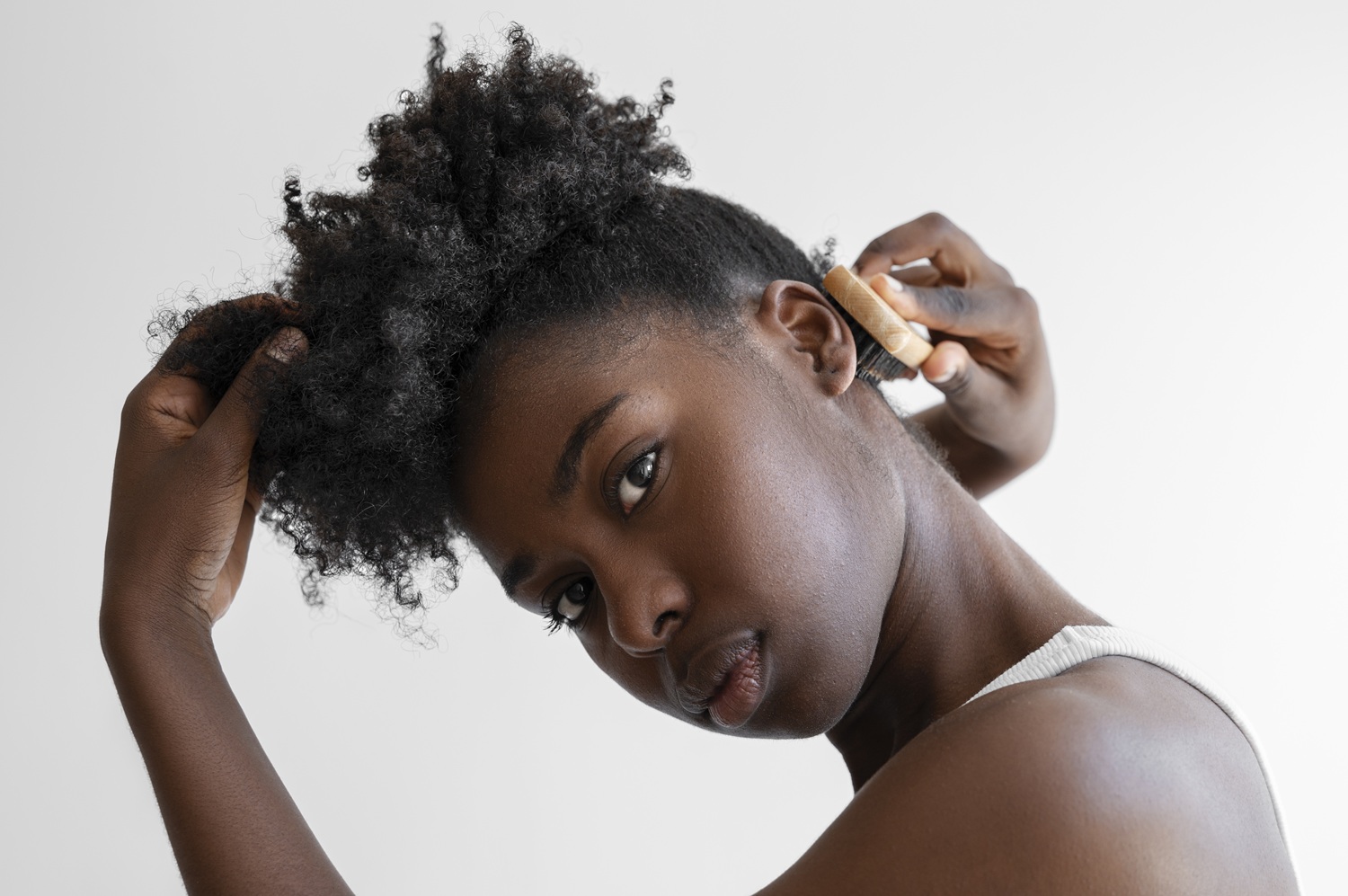
Hair steaming is not a one-size-fits-all practice. How effective it is depends largely on your hair’s texture, porosity, and overall condition. For natural, kinky, and coily hair, steaming can be especially beneficial because these textures tend to struggle with moisture retention. Steam helps hydrate the hair and makes detangling easier, which can in turn reduce breakage.
Low-porosity hair often responds well to steaming because its cuticles are tightly closed, making it harder for moisture to enter. Steaming gently opens the cuticle, allowing conditioners and treatments to penetrate more effectively.
High-porosity or damaged hair, however, needs more caution. While steaming can initially make the hair feel softer, too much moisture without enough strengthening can worsen breakage. Fine hair may become limp or weighed down if steamed too often, while oily scalps may find the process uncomfortable if not done carefully. Ultimately, hair steaming should be tailored to your hair’s needs, not trends.
How to DIY Hair Steaming at Home
You don’t need an expensive salon steamer to benefit from hair steaming. With the right approach, you can safely steam your hair at home.
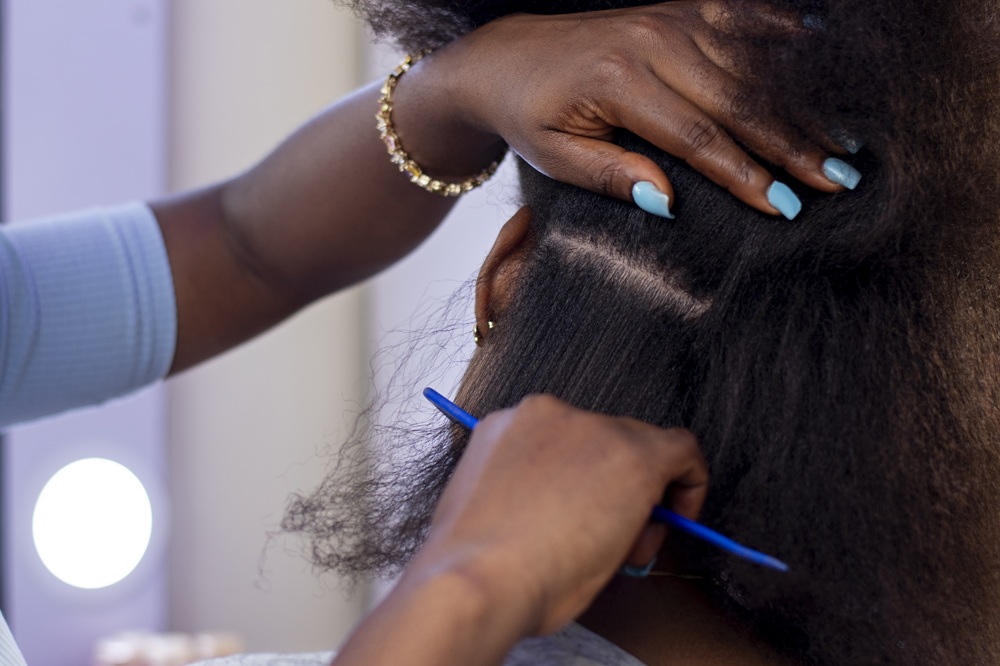
Start with clean hair. Shampooing beforehand removes buildup that could block moisture from entering the strand. Apply a moisturizing deep conditioner or hair mask evenly through your hair, focusing on the lengths and ends.
There are a few DIY methods:
One method is using a handheld hair steamer if you have one. Follow the manufacturer’s instructions, keep a safe distance from your scalp, and limit steaming to about 15–20 minutes.
Another popular method is the hot towel technique. Soak a towel in hot water, wring out excess water, and wrap it around your conditioned hair. Cover with a shower cap to trap heat and moisture. Let it sit for 15–30 minutes.
You can also steam in the shower by sitting in a warm, steamy bathroom with a shower cap on. This method is gentler and less intense but still effective.
After steaming, rinse or cool the hair slightly and seal in moisture with a lightweight oil or leave-in conditioner. This helps close the cuticle and lock in hydration.
Avoid steaming for too long, using boiling water, or applying excessive heat. Steaming should feel warm and soothing, never uncomfortable.