
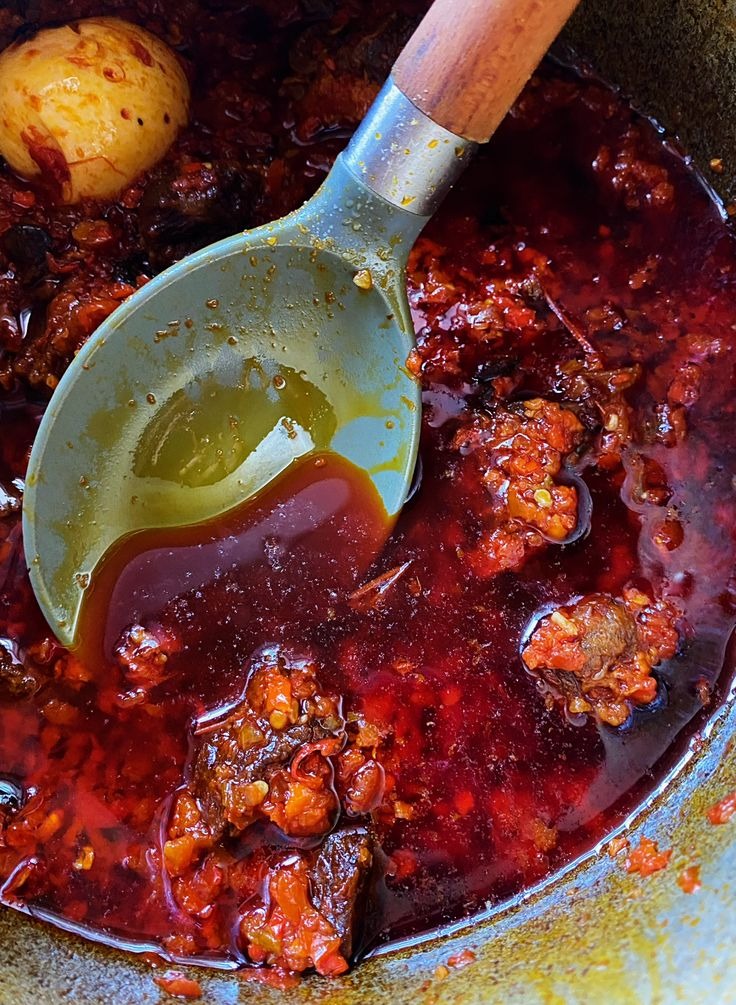
I love red oil stew. It can be garnished with any protein, as long as it is red oil stew. If you grew up eating palm-oil-rich stews, sizzling fried plantain, or native soups that leave a glossy trace on the lips, you’ve probably heard, “It’s the oil that’s causing your pimples,” at least once.
But is it really that simple?
Today, skincare products, supplements, and “stop doing this” advice have become a trend, and red oil is the number one culprit for acne-prone skin. Yet, the generations before us didn’t maintain a daily skincare routine, and they had clearer skin.

So, what changed?
Is Red Oil a Misunderstood Staple?
Palm oil is one of the most traditional fats in African cooking. It’s rich in beta-carotene, vitamin E, and antioxidants, which actually support skin health.
Well, the issue isn’t red oil itself. It’s how much, how often, and how it’s prepared.
When red oil is overheated, used excessively, or paired constantly with refined carbohydrates and sugar-heavy drinks, it can contribute to inflammation in the body. And inflammation is acne’s closest cousin.
In other words, red oil isn’t affecting your skin directly. It poses a threat when it’s swimming in every meal, every day.
How Food Shows Up on Your Face
Your skin is often the first place imbalance shows up. When you experience acne, excess oil on your face, dullness, and even hyperpigmentation, your diet is responsible most of the time.
What we eat affects:
- Hormones (especially insulin, which can trigger oil production)
- Gut health (an unhappy gut often equals unhappy skin)
- Inflammation levels in the body.
Our skin can’t keep up with the fried foods, sugary drinks, white bread, and processed snacks.
Traditionally, many African diets were built around:

- Leafy vegetables
- Soups and stews eaten with moderation
- Whole grains, legumes, and seasonal fruits
Today, convenience has crept in. Fried street foods, sweet beverages, late-night food, and constant snacking have joined the menu. This new lifestyle isn’t because we have let go of our traditions, but because life has become faster, more demanding, and more expensive.
The result? Our skin is reacting to a dietary shift, not just one ingredient.
So… Is Red Oil Actually Causing Your Breakouts? Sometimes, but rarely alone. Red oil may contribute to skin issues if:
- It’s consumed in large amounts daily
- Meals lack enough vegetables or fiber
- It’s paired with high sugar intake
- You already struggle with hormonal or digestive imbalances
But for many people, the real issue is dietary imbalance, not native food.
Blaming red oil without looking at the bigger picture is like blaming rain for flooding when the drainage system is blocked. Check your diet.
The good news is that you don’t need imported or expensive food to improve your skin. Many African staples already do the job beautifully.
- Vegetables & Fiber: Ugu, ewedu, spinach and Okra (excellent for digestion and hydration)
- Fruits: Pawpaw (vitamin A and enzymes for skin renewal), Watermelon (hydration), oranges, and pineapple (vitamin C for glow)
- Protein: beans and lentils (zinc helps with acne healing), eggs, and fish—especially grilled or smoked, not fried
Drink Your Skincare

Clearer skin isn’t only about what’s on your plate; it’s also about what’s in your cup. Skin-friendly drinks include:
- Plenty of water
- Coconut water
- Unsweetened zobo or sobolo
- Ginger or turmeric tea
- Smoothies (mix citrus, mangoes, carrots, and berries)
- Ginger can be added to your smoothies for clearer skin.
Cut down on constant soda, overly sweetened juices, and alcohol. They spike inflammation and dehydrate the skin.
You don’t need an extreme routine to see improvement.
- Fry less, stew and steam more
- Incorporate vegetables in your meals more
- Try healthy cooking oils instead of relying on just one option
- Eat oily foods minimally
A Healthy Lifestyle

Our traditional foods aren’t the enemy. Red oil isn’t working against you. But modern eating habits layered on top of rich, oily meals can overwhelm the body.
Glowing skin starts with balance, awareness, and a little more intention in the kitchen. Because sometimes, the real skincare routine begins long before you touch your face; it starts with what you feed yourself.