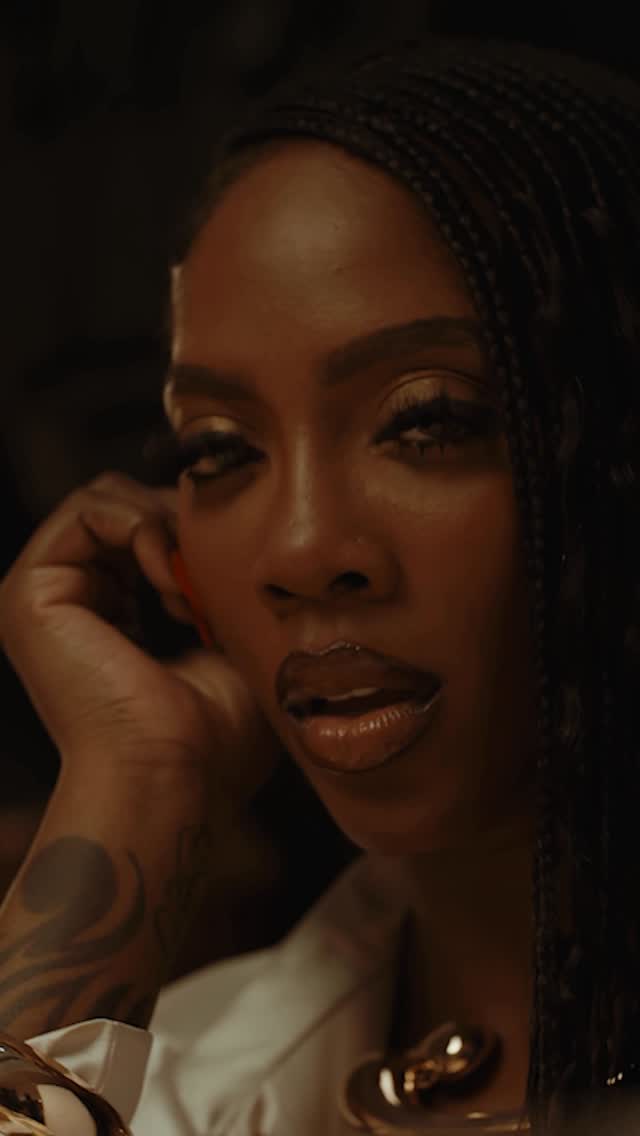
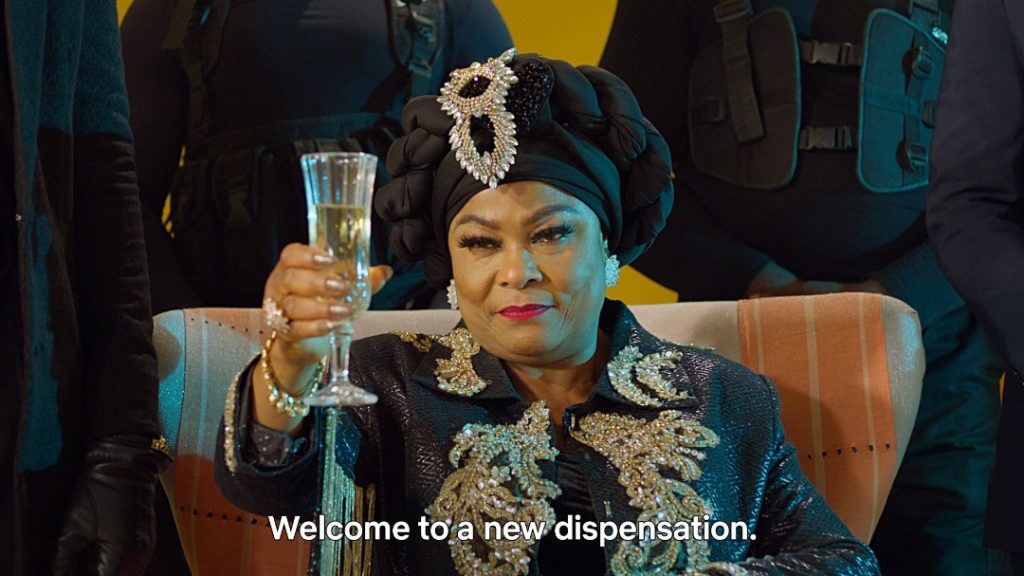
When King of Boys dropped, Eniola Salami became an epitome of fierce ambition. Many women saw that they could channel their emotions into power. Every time Beyoncé’s “You won’t break my soul” came on, women turned up the volume not just because it was viral but because the lyrics remind them of freedom.
Pop culture isn’t about all facets of entertainment and showbiz. It’s more inclusive now, catering to our needs and aspirations. The songs we stream and the series we binge are all expressions of someone’s emotions, and they speak to our situations. But can pop culture really be used as therapy for women’s mental health?
Art as a Tool of Expression
Art mirrors emotions; it is very expressive. We’ve seen that over the years with paintings, movies, poems, and even dance. Listening to music can reduce anxiety or lighten up a dark mood. Movies are not just entertainment. It is often used as a stress relief.
Music has always been an emotional language. A woman could be going through a heartbreak silently, but the signs will be in her playlist. She will be shuffling through Celine Dion, Toni Braxton, or even Tems’s “Free Mind.” Research confirms that music reduces stress by lowering cortisol levels.
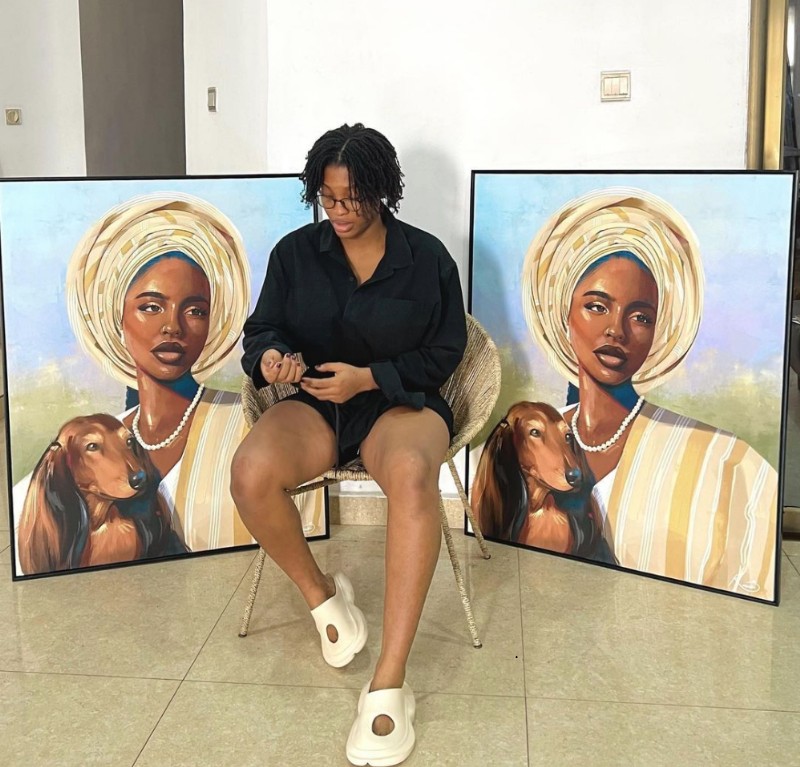
Women have learned to prioritize their mental health, and in doing so, they have discovered that healing doesn’t come in traditional forms. Sometimes, it comes from your TV screen or a poem you stumbled on online. The emotional and cultural healing we experience through art is a worthy form of therapy.
The Power of Pop Culture
The unspoken power of pop culture is its ability to speak to different emotions and heal us. In Africa, the voice of women in music and the movie industry has given way to a new wave of self-discovery. The stories we watch shape how we perceive ourselves and see the world. The narratives that are woven in storytelling help women validate ambitions, insecurities, success, and healing.
Personally, pop culture is my core. Its influence has healed me in many ways and fueled my passion for a career. This is the case for many creatives. So many people see themselves in the characters they watch on TV. They believe a story or song is speaking to their situation, and they pay attention, which could lead to them rewriting their stories.
The Therapeutic Value of Representation
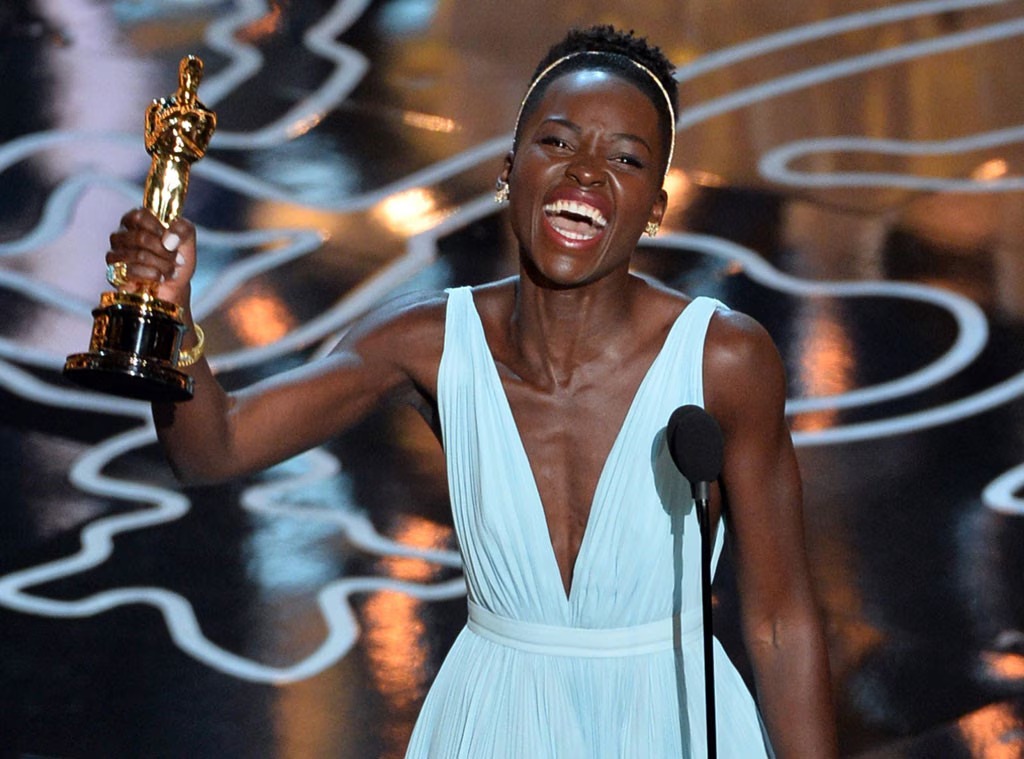
Representation in pop culture helps women see themselves reflected in music and stories and hear a story that sounds familiar in conversations. It is seeing Lupita Nyong’o, Tiwa Savage, and Ayra Starr take on global stages without their skin color, ethnicity, or gender standing in their way. Gone are the days when women believed the ideal look was the vixens shown in music videos or models strutting the runway.
Social media, movies, music, and other forms of art have helped us bridge the gap between our cultural differences and modern experiences. Pop culture moments are becoming healing tools. Hashtags like #softlife, #blackexcellence, and #blackgirlmagic are all residues of cultural moments that connected women around the world. Afrobeat, for instance, has been introduced to the world on a grand scale.
Pop Culture Therapy
Let’s ignore the fact that there are two sides to a coin and focus on the positive side- the profitable part of pop culture. It is important that we consume the fruit of pop culture mindfully. We must be able to separate what inspires from pressure. You don’t have to be a psychologist to use it for healing.
Here are a few simple, mindful ways to use pop culture for personal therapy:
- Curate a playlist that lifts up your mood, not dampens it. Create a playlist that sparks nostalgia, one for courage, and one for happy moments.
- Choose movies or series that reflect your values and aspirations. Be intentional about what you watch.
- After watching a movie or listening to that playlist you love so much, you can write down how it made you feel and why.
- You can join a book or movie club to have conversations with people who share the same interest with you. Communities like this enable shared reflections that build connections.
- Detox regularly. Take breaks from social media, content, music, or artists that leave you anxious after consuming them. Healing involves protecting your peace.
Therapy doesn’t necessarily mean sitting in a therapist’s chair. It could be a lyric or scene from a movie that resonates with you. Pop culture is now inclusive and empathetic towards women. Embrace your healing!