

There’s something transformative about the 30s. It’s the transitional years, and it goes beyond aging. It is an era of self-awareness. Your body slowly begins to react to things differently and experience subtle hormonal shifts, like your mood shifting for no reason or sleep disorders. These changes can affect your mood, metabolism, and energy. Don’t panic; it is very natural.
The good news is you don’t need expensive drugs to regulate your body. With simple routines, nutrition, and consistency, you can restore balance. Let’s explore natural ways to balance your hormones, manage stress, and be mindful of what you eat after 30.
Understanding Hormonal Changes After 30
Hormonal changes are a natural part of aging, but they can be very challenging for the body because they are accompanied by mood swings, fatigue, weight gain, sleep disorders, and many other issues. Learning how to manage your hormonal shift is essential for long-term health and well-being.
According to a recent study, your hormone levels start to decline in your thirties, especially for women. Estrogen and progesterone may begin to fluctuate, especially after childbirth. So, it’s always best to track irregularities and symptoms like decreased energy, changes in menstrual cycle, intense PMS symptoms, mild anxiety, or mood swings.
Although there are several medications to help regulate hormonal imbalance, imbibing a healthy routine in your lifestyle will be more effective. The goal is to support your hormones and help your body find its rhythm again.

Some Signs of Hormonal Imbalance to Look Out for
- Menstrual changes. It could be absent, frequent, heavy, or irregular.
- Hair issues like loss or excessive growth.
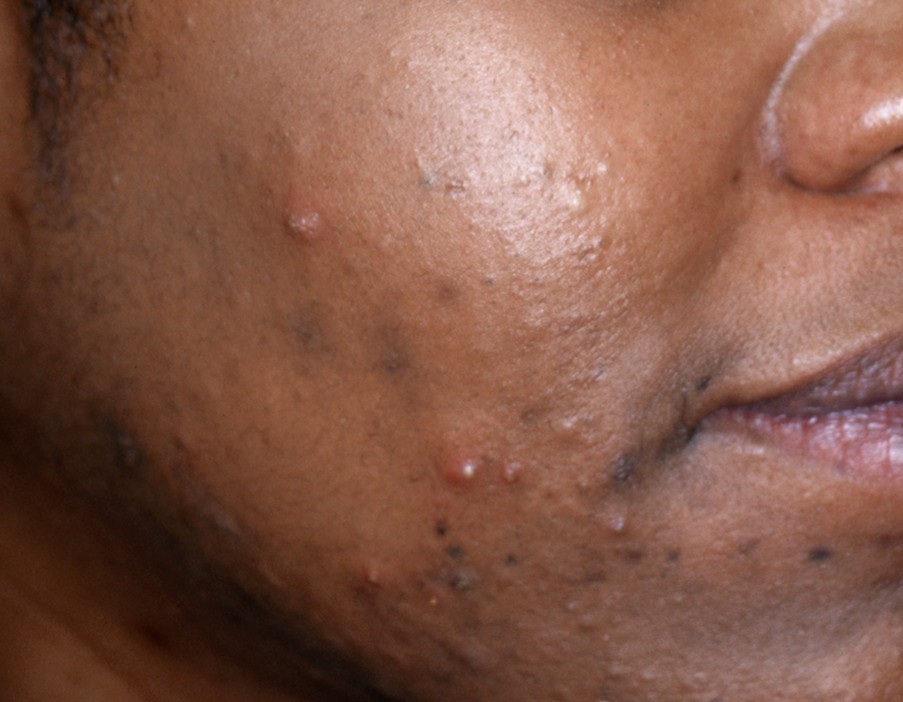
- Changes in skin color and texture.
- Sex-related problems like low libido, pain during sex, or vaginal dryness.
- Irregular weight loss or gain.
- Digestive issues like constipation and diarrhea.
- Mood and sleep issues that can cause anxiety, depression, or irritability.
How to Adopt a Healthy Routine for Hormonal Imbalance
Stress is one of the major disruptors of hormonal health. As your body transitions, preparing for the perimenopausal years, you become susceptible to stress. The stress hormone, cortisol, rises, and your body reacts by suppressing estrogen, progesterone, and thyroid hormones. You must find a way to manage stress.
Hormonal imbalance can stem from different causes and lead to health complications. To adopt a healthy routine, focus on a healthy diet, exercise often, sleep well, and avoid environmental toxins.
- Start your day with stillness, like deep breathing in the morning.
- End your day with intentionality. Aromatherapy, or drink calming tea like chamomile.
- Practice the “4-7-8” breathing technique. Inhale for 4 seconds, hold for 7, exhale for 8. This slows your heart rate and lowers cortisol naturally.
- Sleep is essential. Rest.
Diet for Hormonal Balance
You are what you eat. Your diet has an impact on your hormones. The food you eat can either nourish you or send your body into overdrive. As a woman, after 30 your priority should be on your immune system, gut, and reproductive health.
- Eat to balance your blood sugar—too much sugar can lead to a spike in insulin, and too much insulin disrupts estrogen and cortisol. Balance your meals by prioritizing fiber, protein, and healthy fats. Eat oats, Greek yogurt, grilled chicken, grains, and greens.
- Avoid hormone disruptors—cut down on processed foods, refined sugar, caffeine, and alcohol. They increase cortisol and cause inflammation.
- Stay hydrated and go herbal—water flushes toxins that can affect your hormones. Drink plenty of fluid to stay hydrated during the day. Herbal teas like green and spearmint tea support liver function and hormone regulation.
- Exercise and prioritize sleep.
Sometimes, lifestyle may not be enough. Monitor your health with your doctor and raise an alarm when you notice irregularities. This can help your health provider curate a plan that focuses on your diet and hormonal health.