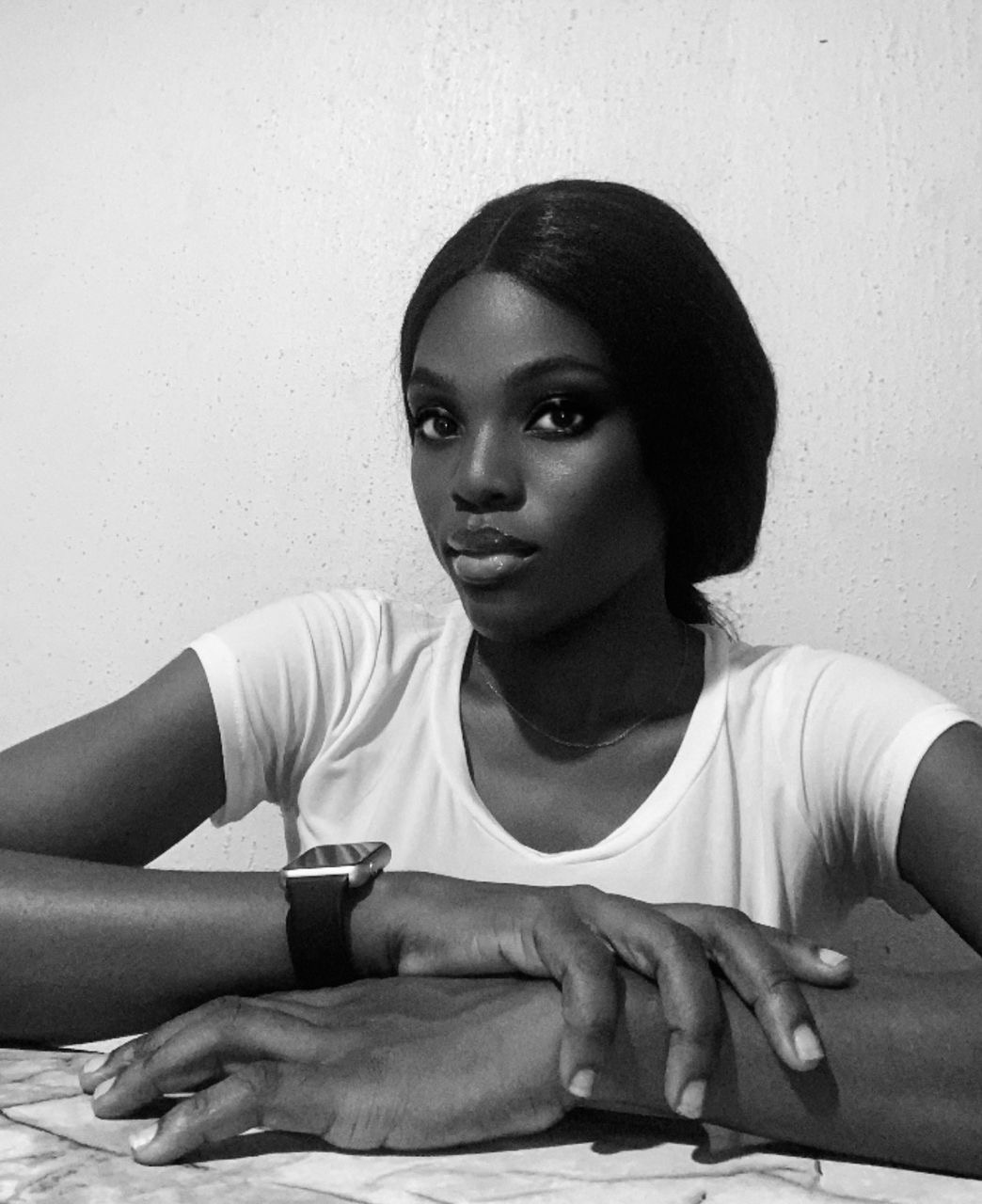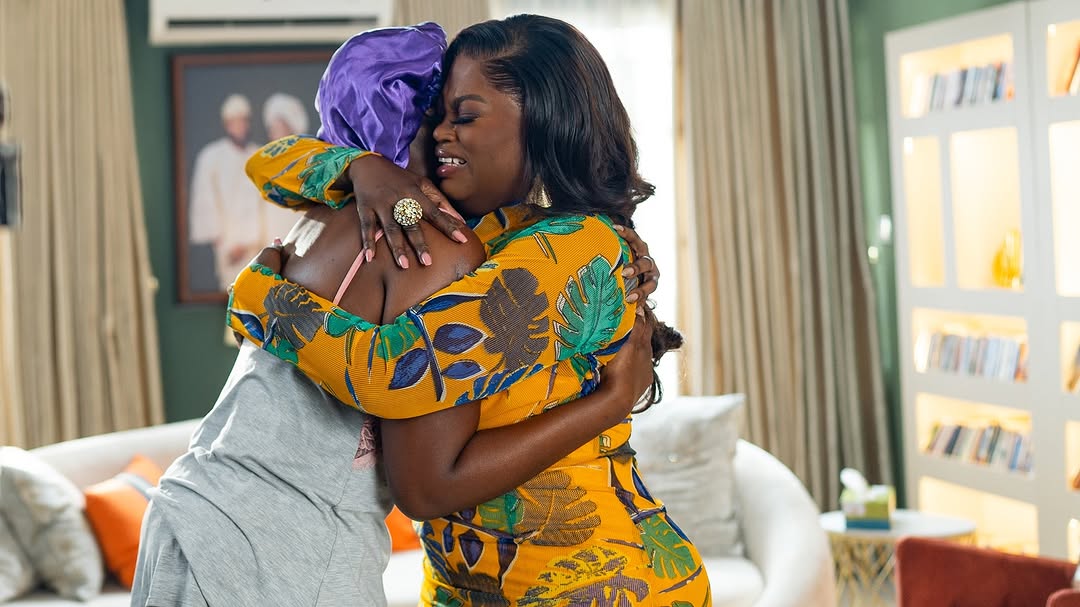
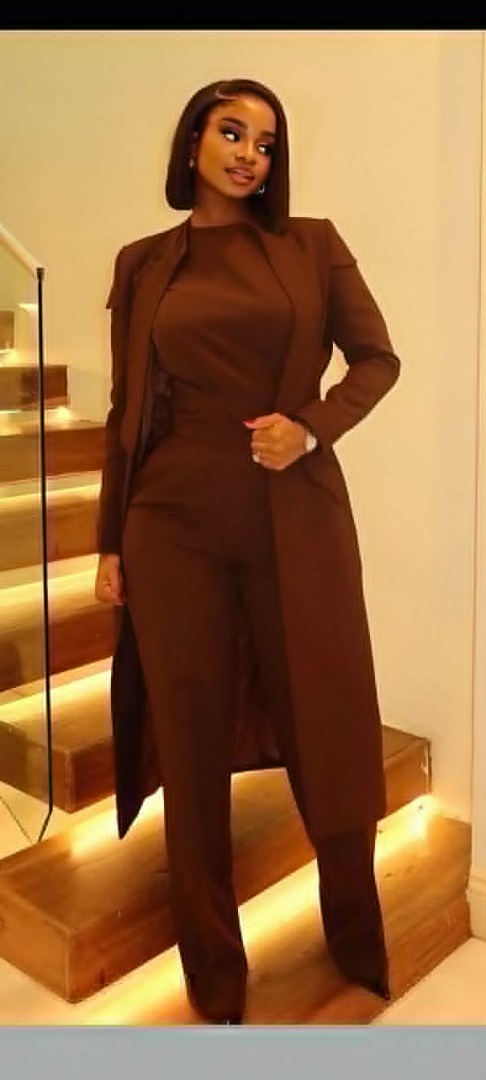
The African baddie. The cover girl of influence. She is confident, resilient, intellectual, and basks in her self-worth. She is the best version of womanhood.
Who is the African Baddie?
Her natural curves, soft-girl demeanor, and skin that glistens in the sun are her essence. She is a woman in tune with her femininity, trying to find her voice, and breaking out of the box her predecessors have been limited to for centuries.
An African baddie is always standing on business and prepared for each day as it comes. She slays with her intellect and good looks. Embraces the rhythm of self-expression, connecting with her sensuality, beauty, and financial freedom.
Behind the perfect poses and filters lies something deeper. The rise of the African baddie signals a cultural shift that’s redefining beauty, confidence, and what it means to be a modern African woman.
The Influence of Pop Culture
Truthfully, the term “baddie” started off playfully as an aftermath of the “slay queen” era, but it is used to describe fashionable women in a negative way. Trust women to redefine the narrative.
Beyond the aesthetics, the baddie has her identity rooted in fashion, social media, lifestyle, and professionalism. Today, every woman is working on ‘self.’ Self-awareness, self-worth, and self-esteem.
Hip-hop stars like Nicki Minaj and Rihanna brought a global wave of feminism and body positivity. Suddenly, everyone is wearing power on their sleeve. Women are no longer acting for the male gaze; they are affirming themselves daily in front of their mirrors.
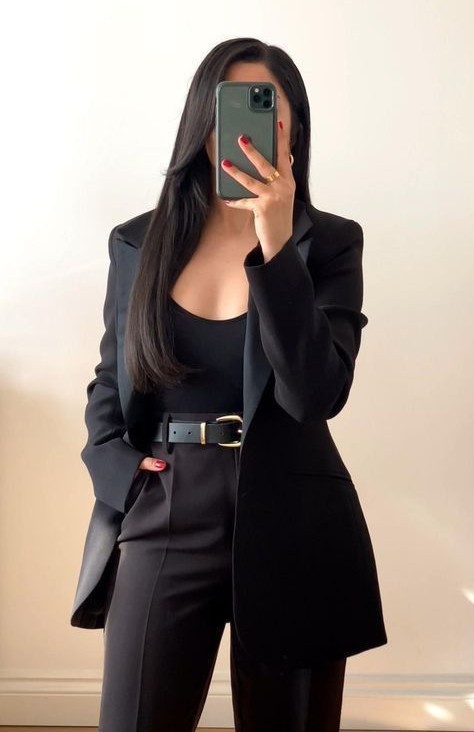
“Main character energy” is an internet slang that sums up the African woman. Women are unapologetic about occupying their space. They are no longer waiting to be celebrated.
The New Face of Visibility
From Ayra Starr’s Gen Z audacity to Temi Otedola’s minimalist luxury, African women are claiming the spotlight on their own terms.
In this era, visibility is power, and African influencers like Toke Makinwa, Bonang Matheba, and Priscilla Ojo have turned digital presence into cultural influence.
They are not just content creators; they’ve built influence and empires from self-expression. They’ve made the African baddie aspirational and relatable.
The beauty standards have shifted; the bars have been raised. The dark skin that wasn’t appreciated, the curves that were shamed, and the hairstyles that were not professional enough are now embraced by pop stars and other races.
Redefining Femininity
The baddie era has been full of criticism. Some believe that it is born out of rebellion against the cultural belief that women are invisible. Others think it’s just about glamour and social media trends.
For millennials and Gen Zs, being a baddie is beyond vanity or trends. It’s about redefining femininity. Embracing softness, sensuality, beauty, and financial freedom as the new language of self-expression.
The most compelling part of this is how women have blended modern aesthetics with tradition. A young successful woman could rock a Zara top on Ankara pants and pair it with designer mules. It’s all about balance.
Remember,
Social media’s obsession with aesthetics can blur the line between authenticity and performance. So, try not to get lost in the noise. Social media trends can be exhausting, especially if you are chasing every trend, validation, or imitating influencers.
Hold on to your confidence without losing yourself to the illusion of it. Own your narrative and learn to love your reflection; not for validation, but for liberation.