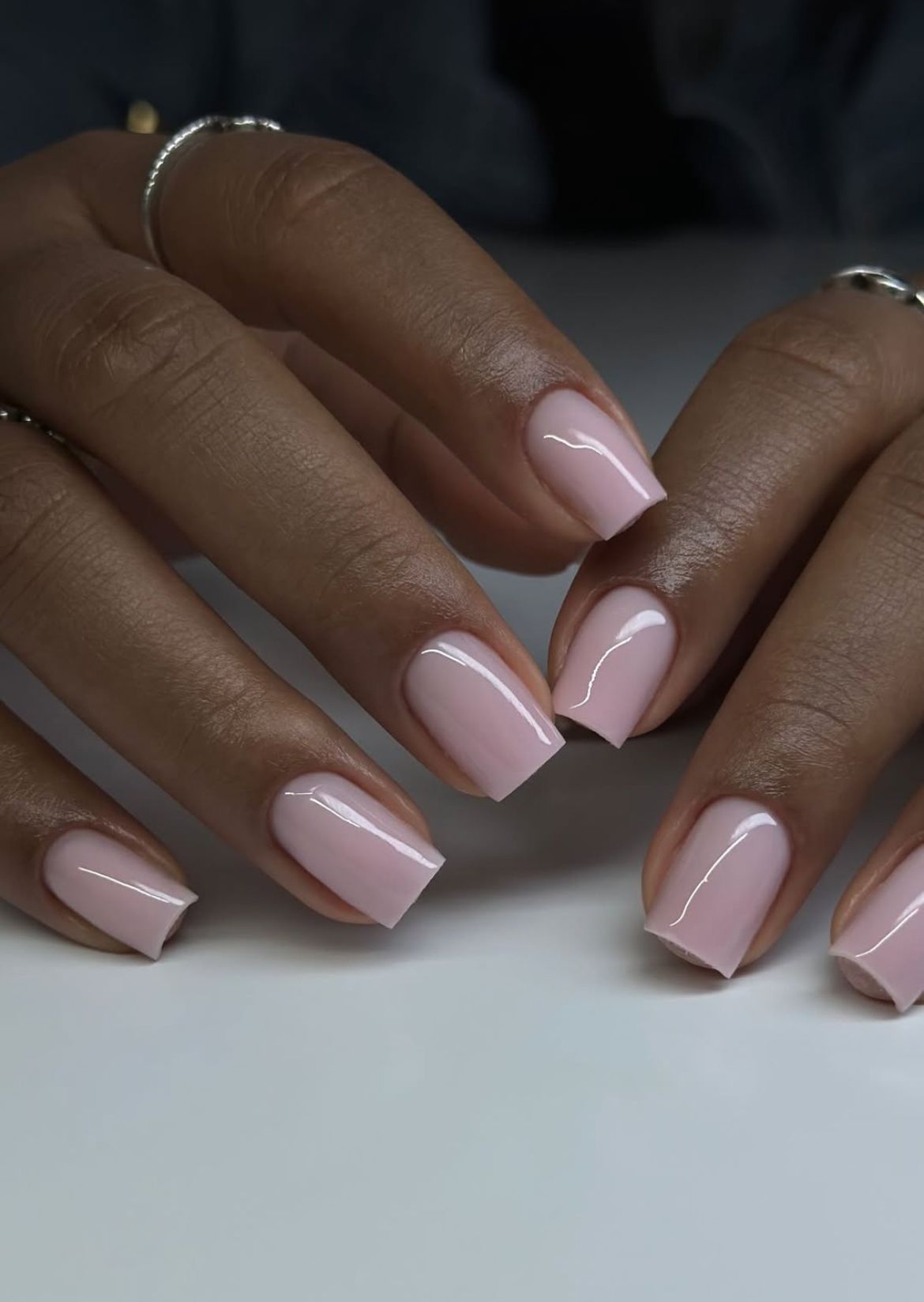
While a good acrylic manicure will probably always have my heart when it comes to drama, longevity, and that unmistakable “rich hands” effect, there’s no denying what it does to my natural nails. Especially when I’ve spent upwards of ₦15,000 on intricate nail art or a trend I swear I’ll never repeat, only to remove it weeks later and meet thin, sensitive, over-filed nails staring back at me. If there’s a better option, I’m ditching acrylic without even turning back.
So let’s talk about BIAB. Not in the rushed, TikTok-caption way, but properly. The way women actually talk about it when they’re sitting in a salon chair three hours deep, wondering if this set will finally be “the one.” If you’ve ever sworn off acrylics after one too many breakages, flirted briefly with gel only to feel underwhelmed, or found yourself staring at your bare nails thinking, there has to be something better than this, then yes, this nail gist is for you.
First of all, what really is BIAB.
BIAB, short for Builder in a Bottle—is a nail enhancement technique that combines the flexibility of gel with the strength of more structured nail systems. It was popularised by brands such as The Gel Bottle, and originally developed as a strengthening product, to work both as natural nails and artificial enhancements. One way to put it that it functions as the middle ground between gel polish and acrylics, but without the drama of either. Unlike acrylics, which rely on a powder-and-liquid system to build length and structure, BIAB is applied straight from a bottle, much like gel polish, but with a thicker, more supportive formula. It’s cured under a UV or LED lamp, bonding to the natural nail.
What makes BIAB different, and why it has become such a favourite, is that it’s not trying to turn your nails into something they’re not. It enhances what’s already there. It gives structure, strength, and a clean finish, while still allowing your nails to look like… nails. Healthy ones. Nails that drink water and mind their business.
The highest selling point of BIAB nails is that they absorb pressure and prevent breakage. This subtle architecture makes a huge difference. Instead of nails bending, cracking, or snapping at the slightest inconvenience, they’re able to grow longer and stronger underneath the product. For women who have spent years believing their nails “just don’t grow,” BIAB often proves otherwise. Because it flexes slightly with the natural nail, it’s less likely to crack or snap the way acrylics do. It also feels lighter. You don’t get that heavy, stiff sensation that makes you hyper-aware of your hands for days after an appointment.
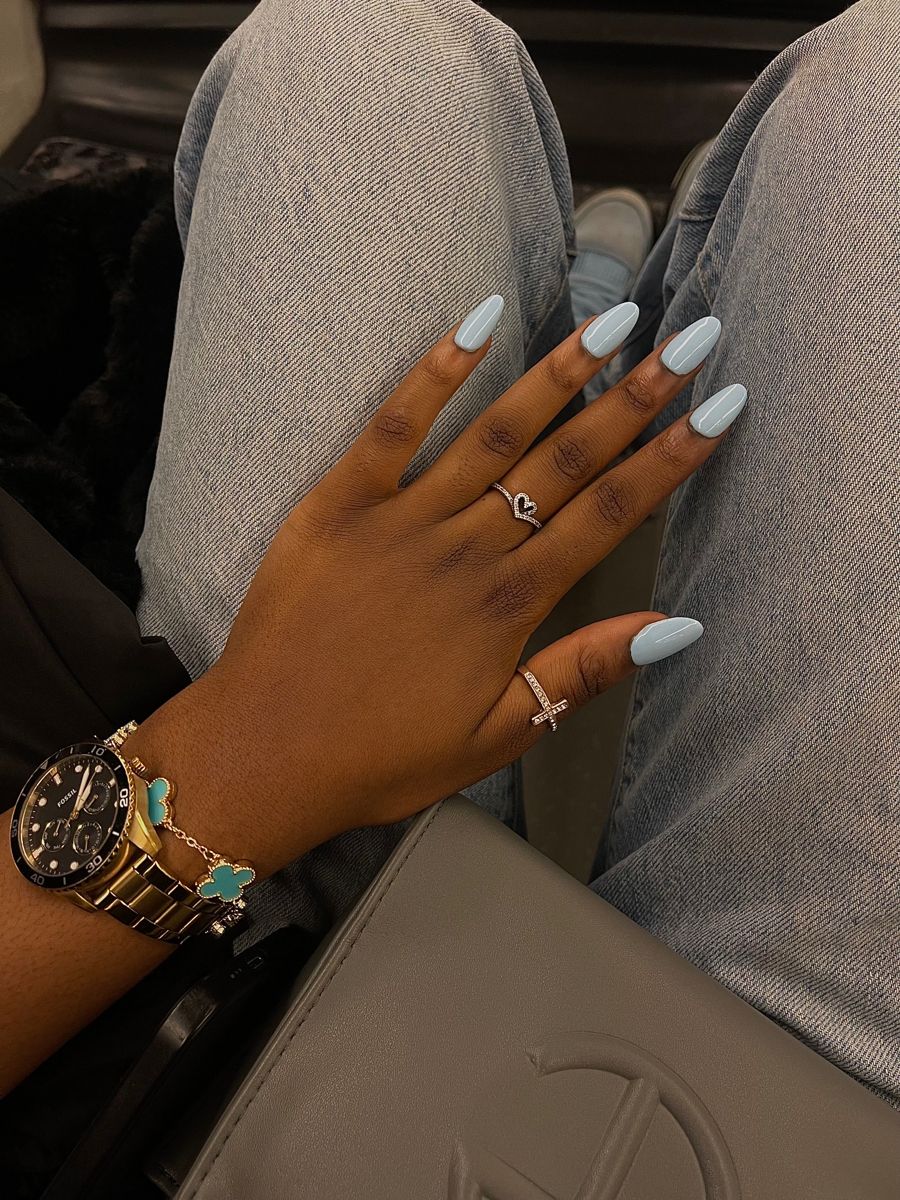
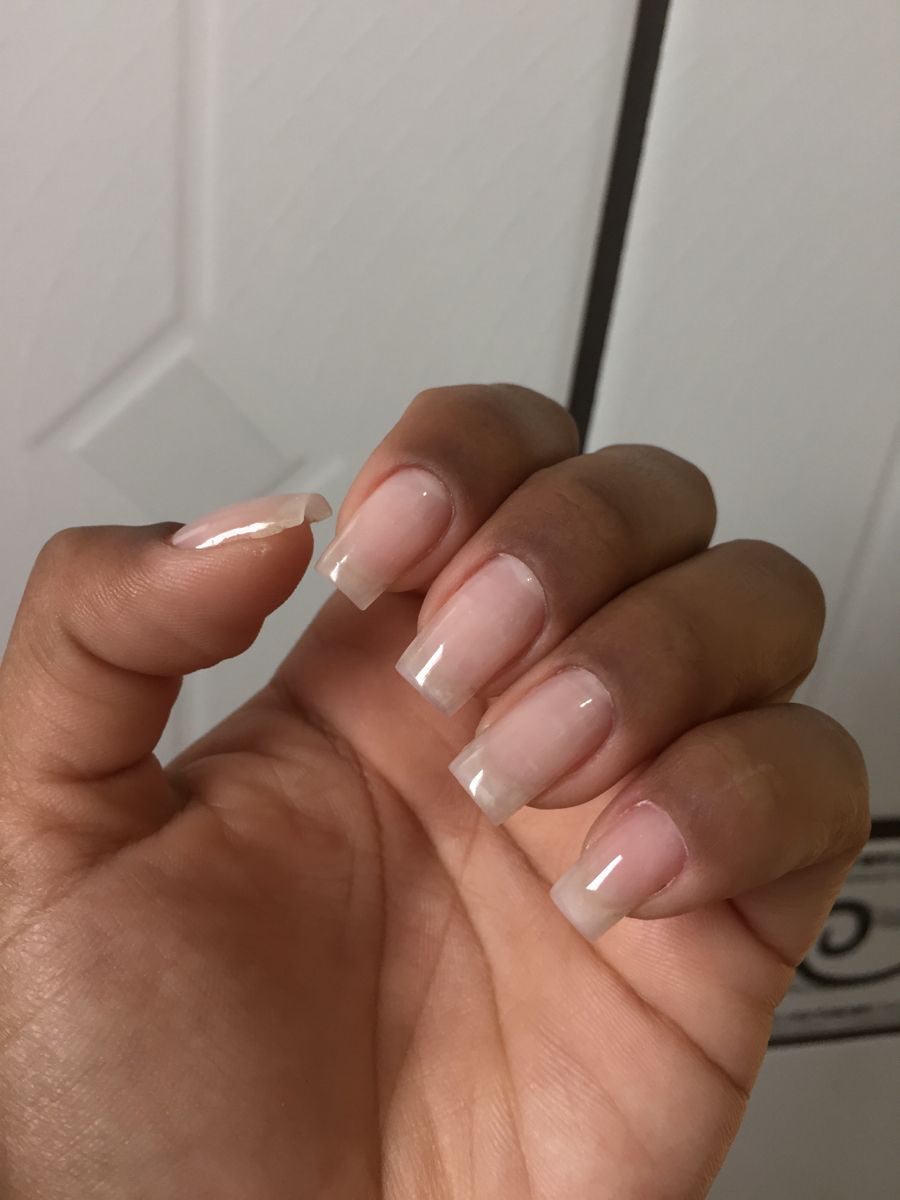
Another reason BIAB has gained popularity is aesthetic restraint. The finishes are often soft pinks, milky nudes, sheer tones, and subtle glosses. Even when colour is added, it tends to look minimal but clean. It’s the best choice for women who love minimalism, less drama. BIAB is the nail equivalent of clean makeup and well-tailored clothing. You notice it, but you don’t feel overwhelmed by it.
SEE ALSO: 7 Minimalist Nail Trends We’ll Never Forget
While BIAB is widely loved, it isn’t without considerations.
Whe it comes to BIAB, application skill matters. BIAB requires precise nail prep and proper thickness. Poor technique can lead to lifting or uneven results. Also, removal may slightly take longer than standard gel polish due to its strength.
In addition, UV or LED curing is required, which means repeated exposure, though generally considered safe—should still be approached responsibly.
Is It Worth It?
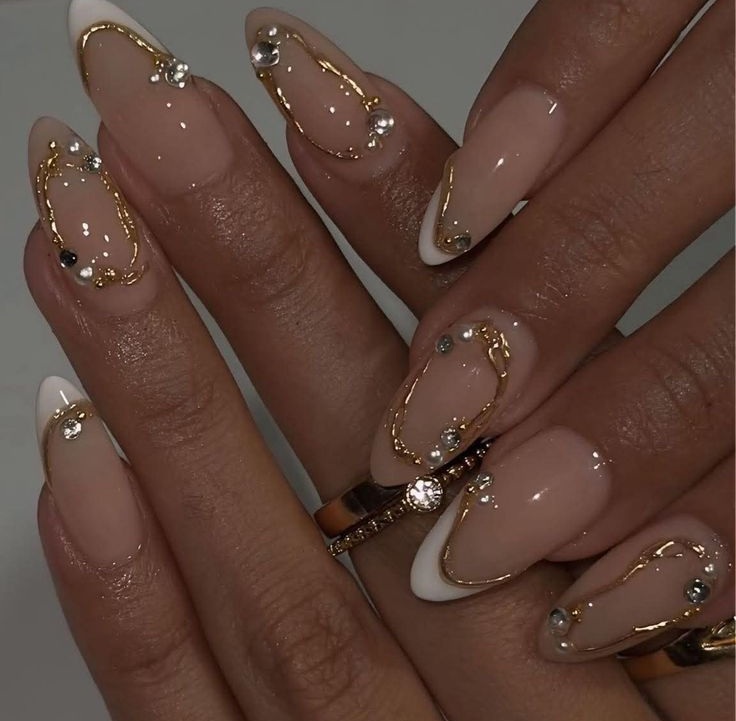
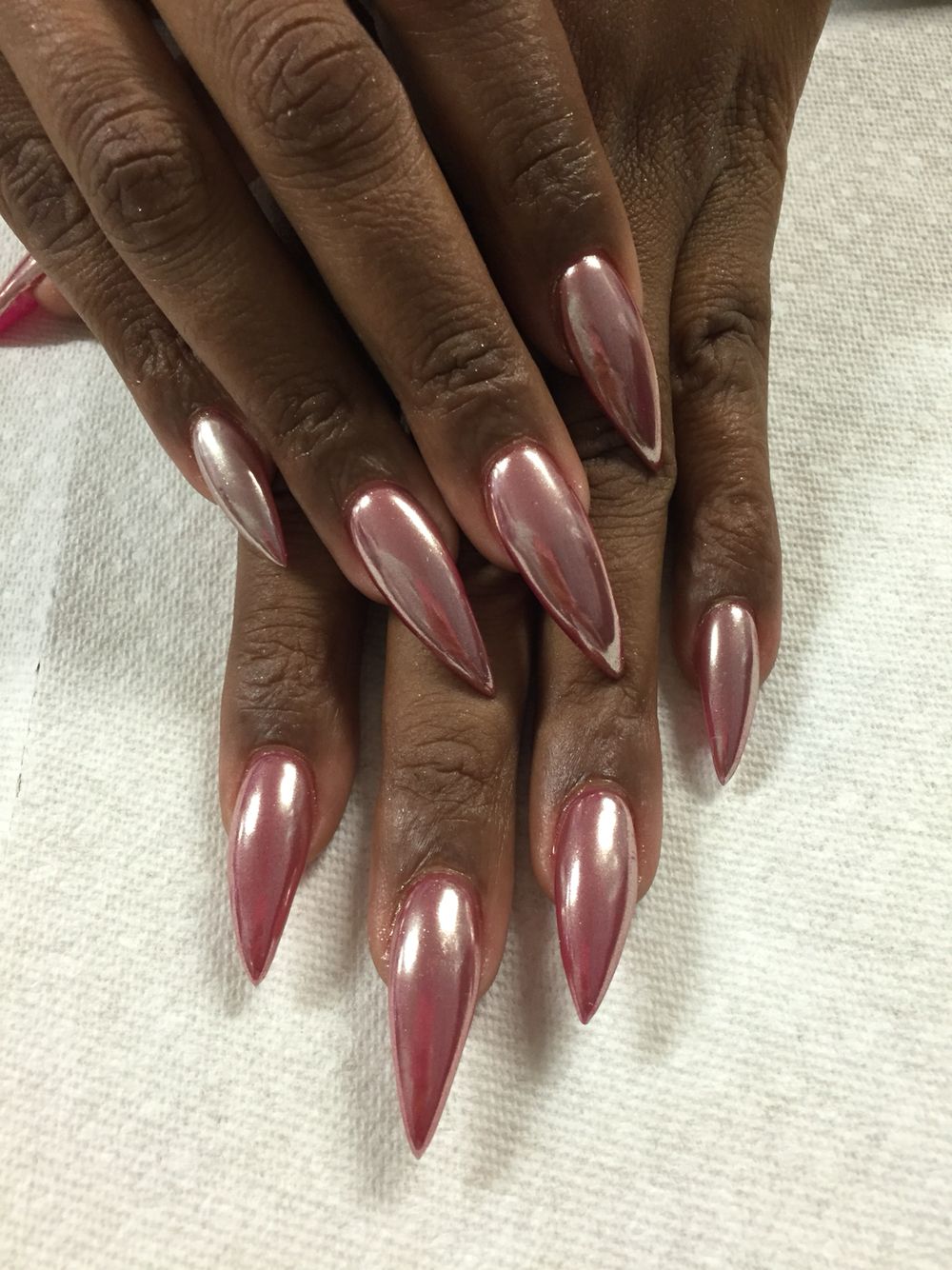
If your priority is extreme length, heavy embellishments, or statement nails that enter the room before you do, BIAB may feel understated. But if you value nail health, clean aesthetics, and durability without damage, BIAB earns its hype.
SEE ALSO: Naked Manicure: Minimalist, Chic, and Finally, My Kind of Nails
It’s for women who want their hands to look polished without screaming for attention. For those who are tired of starting from scratch after every removal. For anyone ready to choose sustainability over excess when it comes to beauty routines.
It’s important to state BIAB doesn’t replace acrylics. It just shows that nails can be strong without being bulky, beautiful without being aggressive, and luxurious without being destructive.
And once you experience that balance, it’s hard to go back.
How much do BIAB Nails cost?
BIAB is considered a premium nail service, and it’s priced accordingly. Depending on the salon, location, and expertise of the nail technician, BIAB manicures typically range between ₦20,000 and ₦60,000. Prices may increase if you’re adding colour overlays, nail art, or extensions.
Appointments usually take longer than a standard gel manicure. Proper prep is key, and that means careful cuticle work, precise application, apex building, curing, shaping, and sealing.
SEE ALSO: 40 Random, Cheap Things That Make You Look Way Better Almost Instantly
The upside? Longevity. A well-done BIAB manicure can last three to four weeks with minimal lifting or chipping, making it a worthwhile investment for women who prefer fewer salon visits and consistently neat hands. Most professionals recommend maintenance every three weeks. While BIAB can last longer, wearing it beyond four weeks increases the risk of lifting, which can trap moisture and compromise nail health.
At maintenance, BIAB can either be infilled or completely removed, depending on nail condition and preference.