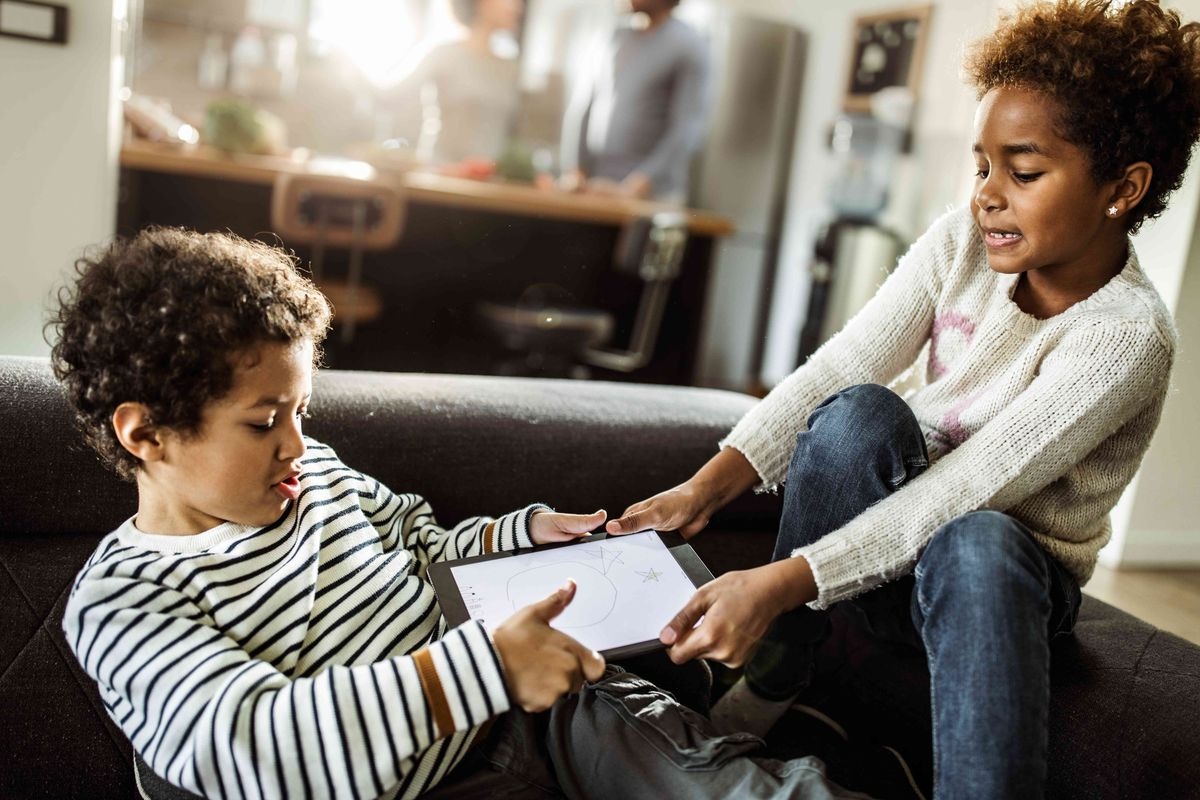
Parenting styles play a vital role in shaping the relationship between siblings. In African homes, respect, hierarchy, and discipline are deeply valued. Therefore, a clear line has to be drawn to determine if the children are navigating life together or fighting for approval and attention.
Sibling rivalry is often dismissed as a harmless phase children will outgrow. In many African homes, it is even trivialized with phrases like “It’s normal” or “Boys will always fight.” But rivalry isn’t about toys, house chores, or food portions. It is often about love—who gets more of it, and who seems invisible without it. But this can also escalate into the fight for attention or inheritance.
The African Culture & Parenting Styles
African families are rooted in culture that shapes relationships among children. Birth order matters. Gender matters. Priorities are set, and expectations are clear.
The firstborn may be burdened with responsibility and raised with stricter rules, while the lastborn is indulged and protected. Boys are being given more freedom, while girls have more chores. In many cases, children are compared, and it sometimes unknowingly deepens sibling rivalry.
A girl carrying a little boy
Girls are raised to be independent in the future. So, they are expected to cook, clean, and care for younger siblings, while boys should be allowed to focus on their studies. These usually cause silent resentment. The problem with cultural norms is that they are applied without emotional awareness.
Parenting Styles: Strict, Soft, and Selective
Many African parents use a more authoritarian style that enforces strict rules, unquestioned authority, and discipline over communication. While this approach often produces obedient children, it can also create rivalry. When children don’t experience the affection of their parents or approval feels conditional, it creates a quiet between them.
Whoever gets praised or punished less becomes an easy target for bullying, especially when it is a younger child. The smart, quiet, or obedient child is praised, while the others are called “stubborn” or “disobedient children.” Siblings notice the labels. Irrespective of the parenting style, it has to be fair and even among children from oldest to youngest.
The Gaps Caused by Parenting Styles
Traditionally, the father is the head of his home. He is the disciplinarian whose approval is powerful. Children may compete intensely for his recognition. While the mother, on the other hand, is usually the emotional backup. She is the homemaker, nurturer, and peacekeeper.
happy parents of a girl child
In homes where parents are not aligned, in the case where one parent is strict and the other is indulgent, children tend to take sides. The strict parent is feared and avoided, while the lenient one becomes the “best” or “favorite.”
Comparison is the Thief of joy.
Comparison is one of the causes of sibling rivalry in African homes. It is often disguised as a type of motivation. It leads to siblings competing against each other, rather than bonding.
A child who hears, “Your sister wouldn’t do this,” doesn’t hear encouragement; they hear inadequacy. Over time, this creates predictable behavioral patterns:
A child could become aggressive and defiant
A child’s confidence crumbles
Withdraws and seeks validation elsewhere
Become a chronic people-pleaser
The Home is the First School
Before children learn society’s rules, they learn family rules. Which means the home teaches them how conflict is handled, how love is shared, and if fairness exists.
Homes where punishment overrides communication often raise children who suppress their emotions until they explode. Homes where communication is encouraged raise children who are confident and open about their feelings.
A stable home doesn’t eliminate rivalry, but it teaches children how to manage it without turning siblings into lifelong enemies.
We see siblings raised in the home barely speak as adults, fight over inheritance, or secretly compete in marriages and social status. It appears in subtle bitterness, emotional distance, or the need to prove something.
Conversely, adults who grew up in emotionally balanced homes often describe their siblings as their closest allies, not because they never fought as kids but because rivalry was managed early.
Parenting Styles are the Master Plan for Sibling Relationships
Parents don’t create rivalry intentionally, but their parenting styles shape it daily.
Favoritism, comparison, silence, and unequal discipline build walls of distance. Fairness, emotional awareness, communication, and intentional bonding break them down.
Parents who acknowledge each child’s individuality and love them without ranking them raise children who respect each other’s differences instead of competing over them.
Raising Siblings, Not Rivals
Sibling rivalry is a reflection of parenting choices shaped by culture, stress, and tradition.
As African families evolve, so must the parenting styles. Fortunately, this new generation of parents is adopting softer parenting styles, not tough love. They are building relationships with their children through communication and intentional bonding.
When parents choose fairness over favoritism and dialogue over dominance, they don’t just raise better children; they raise families that bond through childhood innocence into maturity.
Foluke Adekanmbi is a Nigerian creative writer and storyteller. Over time, she has switched seamlessly between being a fictional writer and content strategist.
When she is not developing witty editorials or script treatments, Foluke is a content marketing strategist and writer who helps brands grow their visibility and connect with their audiences. Her writing style is marked by wit, clarity, and cultural nuance, making her a relatable voice for both local and global readers. Foluke continues to expand her creativity with a strong belief that it’s a bridge that connects her imaginations with reality.