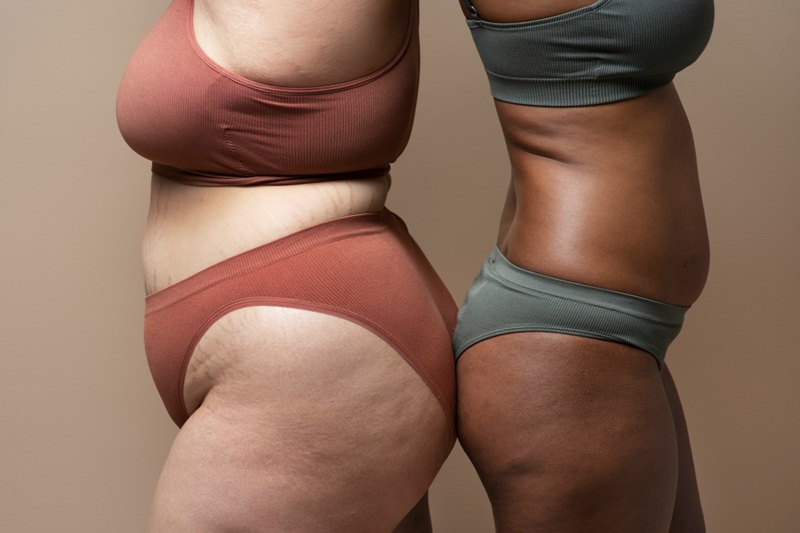

Why has one body part become a measure of beauty, femininity, and worth? We need to talk about the obsession itself.
The idea that your “face card” and “body card” must match; that you cannot be pretty if your body isn’t “giving”, has taken hold across social media and culture. People forget that beauty standards change over time, but the pressure remains constant. More often than not, that pressure weighs heaviest on women.
SEE ALSO: Do Curvier Women Get More Engagement or Just More Scrutiny?
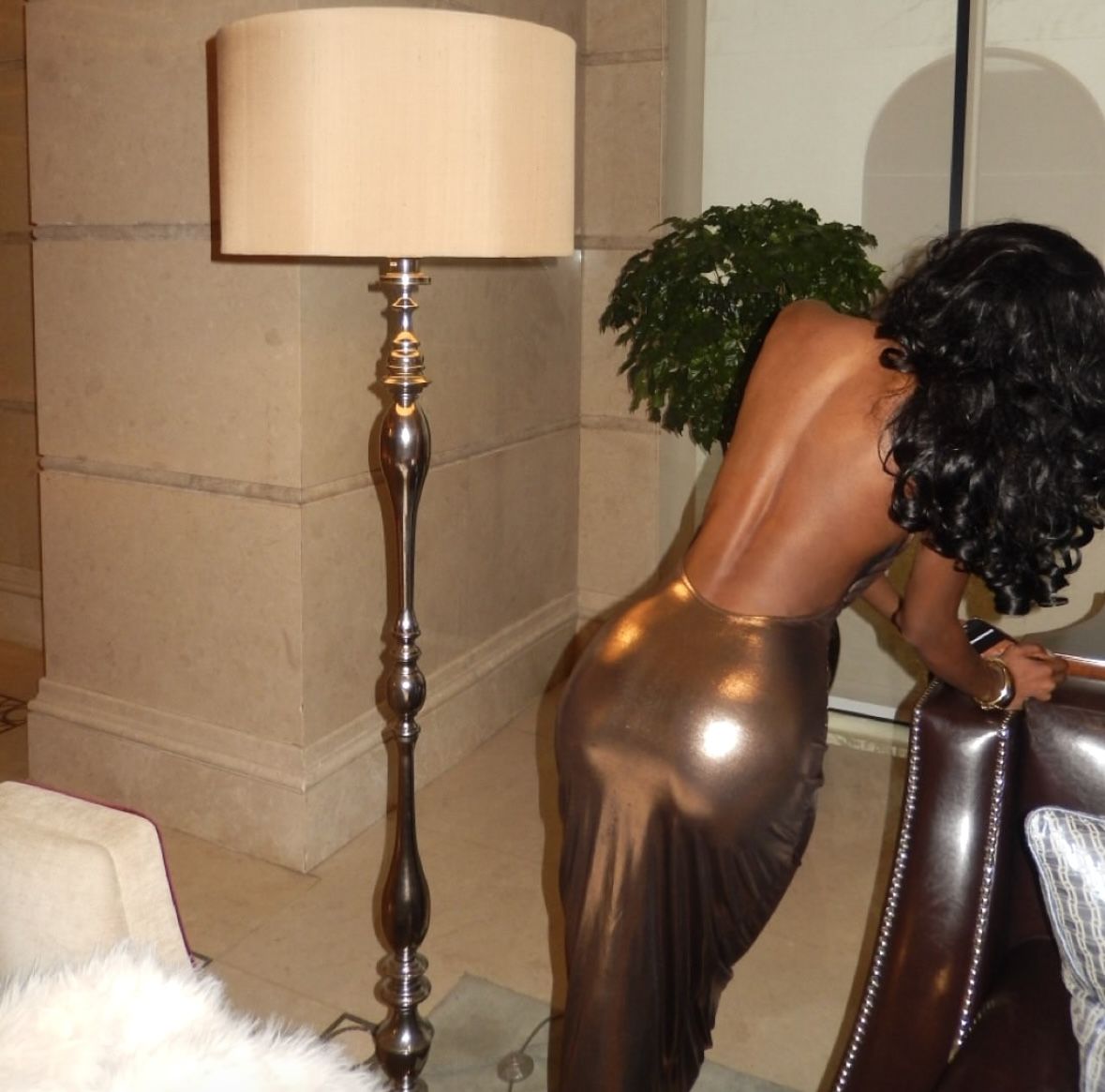
A friend of mine once said to me, “It’s more appealing when a lady wears a dress and it fits a certain way.” I asked him to explain further, and he added, “A girl can be beautiful, but when she dresses up, there’s a ‘comma.’” I laughed because I understood exactly what he meant.
Most of the time, though, this is just how people are born. We can’t blame them for their body shapes, they can only learn to dress according to their size and proportions. But the constant criticism they face often pushes them to extremes.

When did big butts become a currency?
Curvy bodies have been admired in African, Caribbean, and Latin cultures for centuries. In many African societies, fuller hips and buttocks symbolized fertility, health, and womanhood. Admiration for curves isn’t new. What is new is the global commercialization of curves, social media amplified it. Suddenly, exaggerated curves became a metric of engagement: more curves = more attention = more followers.
READ: O, H, V, or A: Well, Your Butt Shape Has A Name
The hypocrisy is clear in popular phrases like “Small nyash dey shake ooo.” Suddenly, small butts are more recognized. Slim girls are the new gold. If you’re slim, you should also be thick. The narrative keeps shifting.
When natural body types are constantly mocked or labeled as having a “comma,” some begin to see surgery, including BBL, as a solution. The criticism often starts before surgery, with how society treats natural bodies.
SEE ALSO: Everyone Is Getting a BBL. But Should You?
It’s easy to criticize people for altering their bodies, to shame them before and after. But few talk about the unrealistic standards society sets, standards that prey on insecurities for entertainment. People endure backyard yabbing from friends and family before facing online criticism from strangers. Imagine coping with insults from those closest to you and then logging online to face even more.
When obsession turns into pressure, surgery becomes an escape and a solution for some.
When Criticism Turns Surgical
BBL (Brazilian Butt Lift) is a cosmetic surgery that removes fat from areas like the stomach, purifies it, and injects it into the butt to make it rounder and fuller. Its main purpose is to create a more contoured body shape and a look more natural than implants.
BBL is one of the riskiest cosmetic surgeries if done improperly. If fat is injected too deeply, it can enter the bloodstream and lead to severe complications, even death. A BBL can look amazing when done correctly, but it’s not a decision to take lightly. Not everyone is suitable for the procedure, especially people with very low body fat.
Many people openly condemn the procedure while secretly wishing they could have it done themselves. BBL isn’t just a medical or cosmetic topic, it’s highly sensitive because it’s tied to self-worth. Fear, vulnerability, and public scrutiny are part of the experience. The conversation touches on identity, confidence, and acceptance.
The Reality of BBL: Beauty, Risk, and Self-Worth
Some people undergo this procedure to feel more presentable, to themselves and to others. It could stem from struggling with excess belly fat, feeling awkward in certain outfits, or wanting to fit into bodycon dresses. For others, it’s about boosting confidence and feeling attractive. For many, surgery feels like the only way to regain control or silence the mockery. Some save for years, even five years, just to undergo a BBL.
Several Nigerian celebrities have openly undergone the procedure. Three months ago, Tonto Dikeh revealed she had removed her BBL, calling it “one of the hardest but healthiest decisions” of her life after giving her life to Christ. TikTok restaurant owner Bukolarry shared her journey and healing process after removing excess fat from her belly and arms.
Tragically, not all outcomes are positive. In Lekki Phase 1, Lagos State, a 36-year-old woman named Abiola reportedly died at a clinic after an injection caused her to lose consciousness. According to The Premium Times, the doctor was declared wanted, and the nurse was arrested. Others have shared stories of regret, highlighting the dangers involved.
The real issue isn’t who decides to alter their body, but why a body part has become social currency.
Music lyrics and videos often center on women with exaggerated curves. Since these trends exist, people invest in them, influenced by pressure to conform. Big butts became an obsession the moment society started rewarding them with attention, access, and advantage. Captions like “Who nor get nyash nor suppose expect Christmas gift” or “Big big things ni mo like” illustrate the cultural weight placed on curves.
Until worth is separated from waistlines and hip sizes, beauty will continue to feel less like self-expression and more like survival. No one should have to hide behind their shadow.